
All the fibers I use in my art practice as a Vegan
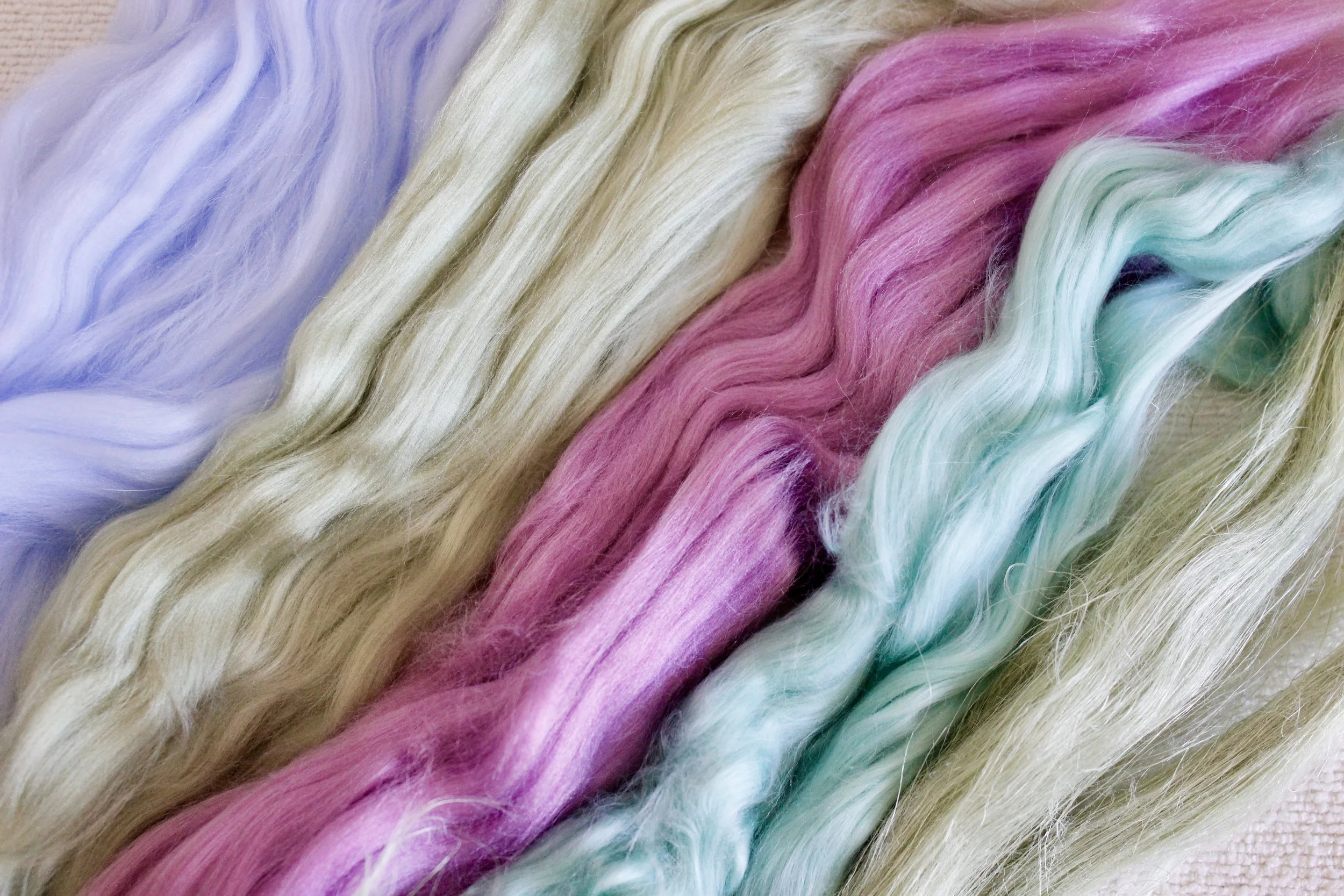
Biodegradable Nylon (Amni Soul Eco®) (sourced from Europe)
Amni Soul Eco is an innovative synthetic fiber that biodegrades in just 5 years in a compostable environment, and is manufactured by recycling processed water. As strong and durable as traditional nylon, it is much more eco-friendly and has a very similar feel to Merino wool.
Some of the Bio Nylon that I use in my work are also hand dyed by a fellow fiber artist, Morele Bell, who works in her home studio in Italy.
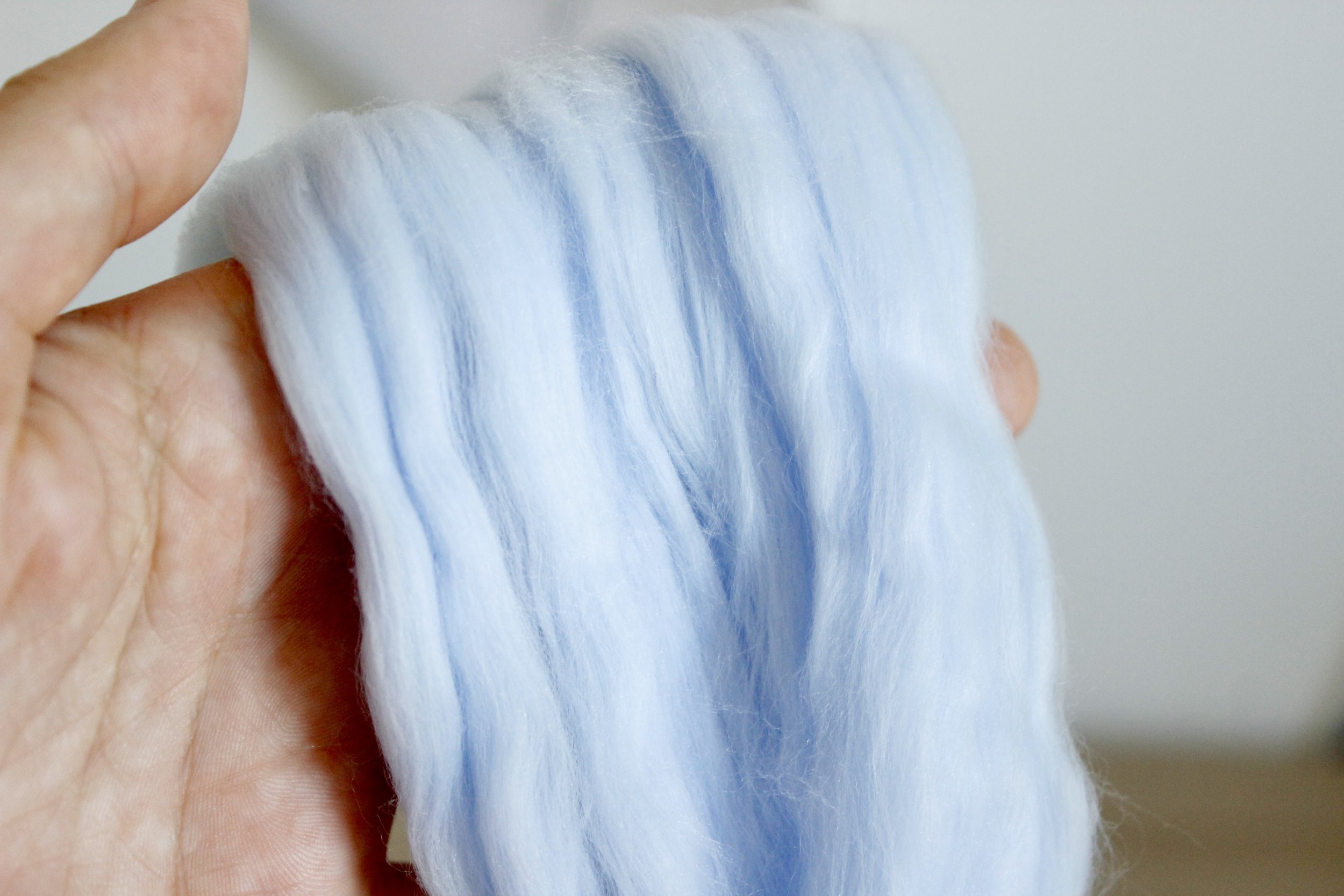

Cotton (sourced from Egypt)
Cotton fibers are short, non-lustrous and uniform, more so than other plant fibers. Cotton is naturally hypoallergenic, a water-loving and breathable fiber.
Cotton is the most widely used known fiber. The cotton plant grows best in hot humid climates, with wet and dry seasons flowering approximately 100 days after being sown from seed. The pretty flower dies after two days, leaving the seed pod which bursts open 50-80 days after flowering, revealing the fleecy cotton fibers which are ready for picking. The picked cotton is ginned (passed through a shaker) to separate the cotton fiber from the seed and then classed/graded.
Bamboo (sourced from Europe)
Bamboo fiber is a relatively new fiber. The fiber is produced from Bamboo pulp (like viscose pulp) which is obtained through a process of hydrolysis/alkalization and bleaching of bamboo stems. The fiber is soft to handle with good absorbency and can be used in blends with other fibers or on its own. It also has the unique function of being antibacterial.

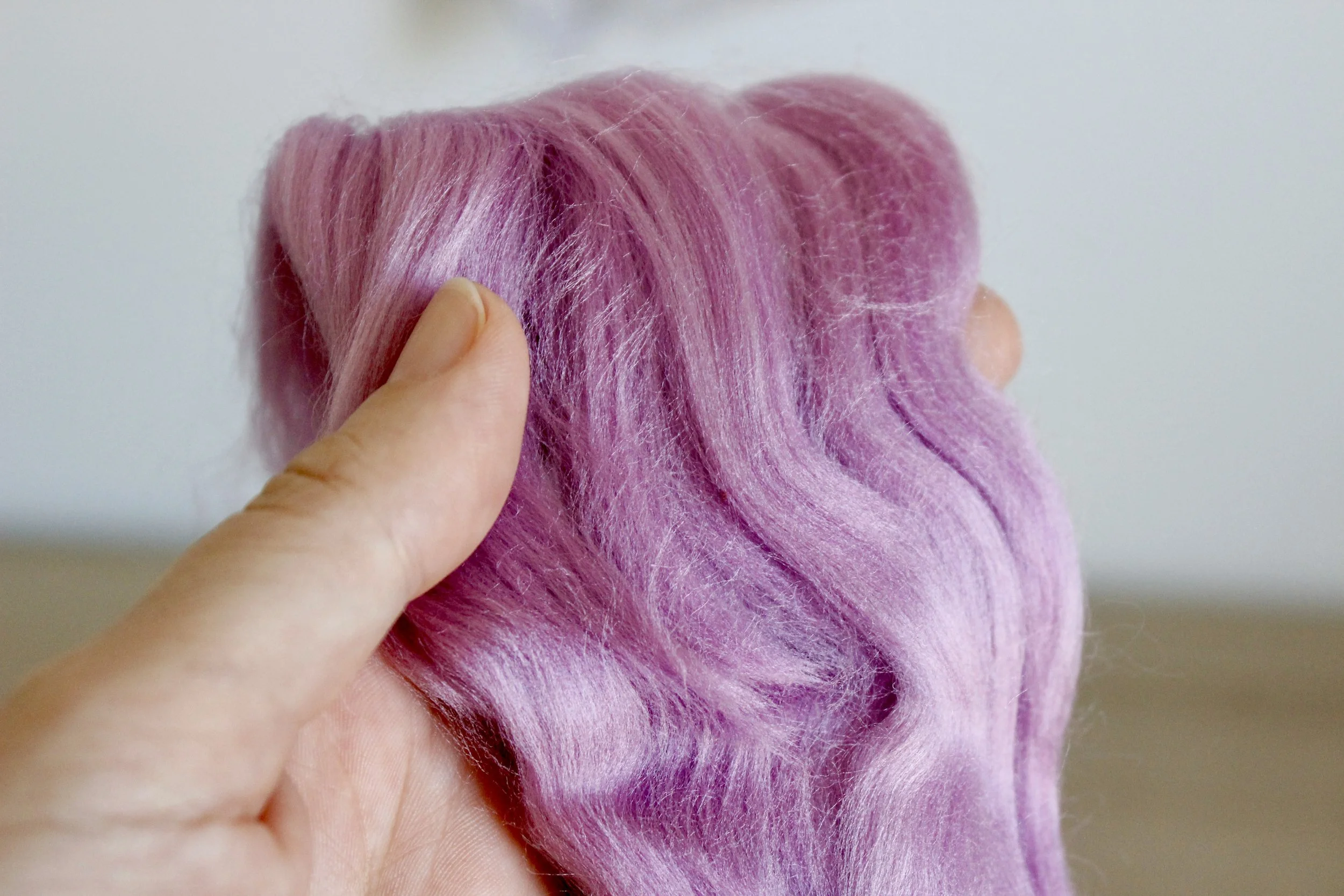
Viscose (sourced from Germany)
Viscose is a semi-synthetic type of fiber made from wood pulp that is used as a silk substitute, as it has a similar drape and smooth feel to the luxury material.
Tencel™ Lyocell
Not only is the Tencel™ Lyocell fiber gorgeous, it’s also considered the most eco-friendly fiber in the world to date. It is produced from Eucalyptus wood which makes it 100% biodegradable. Its production process (closed cycle) allows 99% of the solvents to be reused, uses less energy and also less water.


Flax/Linen
Flax or Linen resists bacteria, absorbs moisture quickly and dries fast, making it an excellent choice for sensitive skin in particular. Its natural fibres help regulate humidity and reduce allergens in your space.
This fiber is considered by many to be the oldest fiber used in the Western world, with fabrics having been found dating back to 10,000BC. It is a fiber whose production was centered round Europe since about 500AD, Irish linen being one of the earliest productions.
Soybean
Soybean is a new vegetable based fiber. Highly sustainable as it is a waste by-product of the processing of the peels and pods from the food industry. This fibre is therefore 100% vegan, natural, biodegradable and renewable. Absorption properties are similar to cotton and so the fiber feels cool. Its ventilation is superior to that of cotton with a silk-like appearance. The fiber is anti-ultraviolet and therefore, retains dyed colors well and is superior to viscose and silk in this respect. It is stronger than wool, cotton and silk.
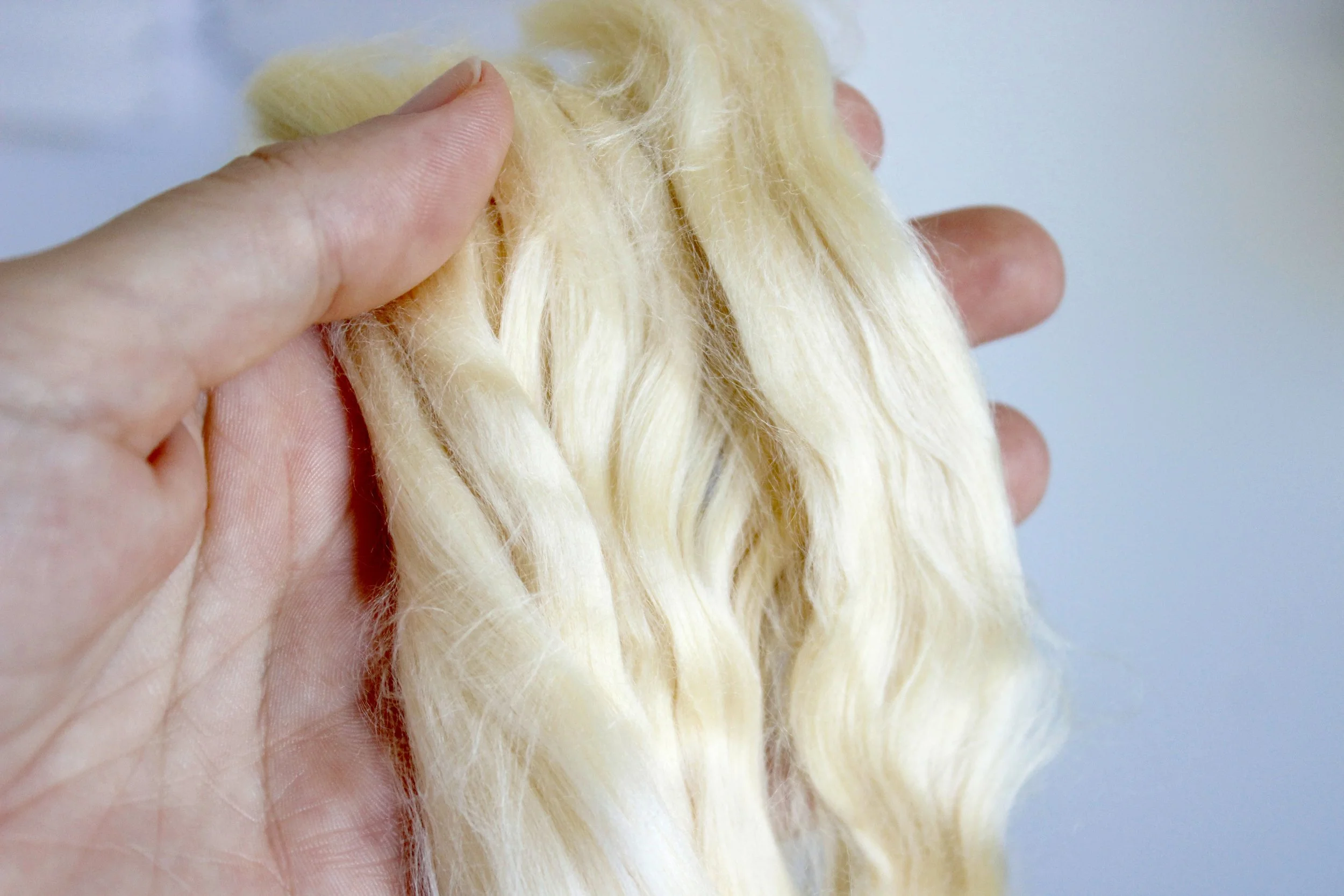
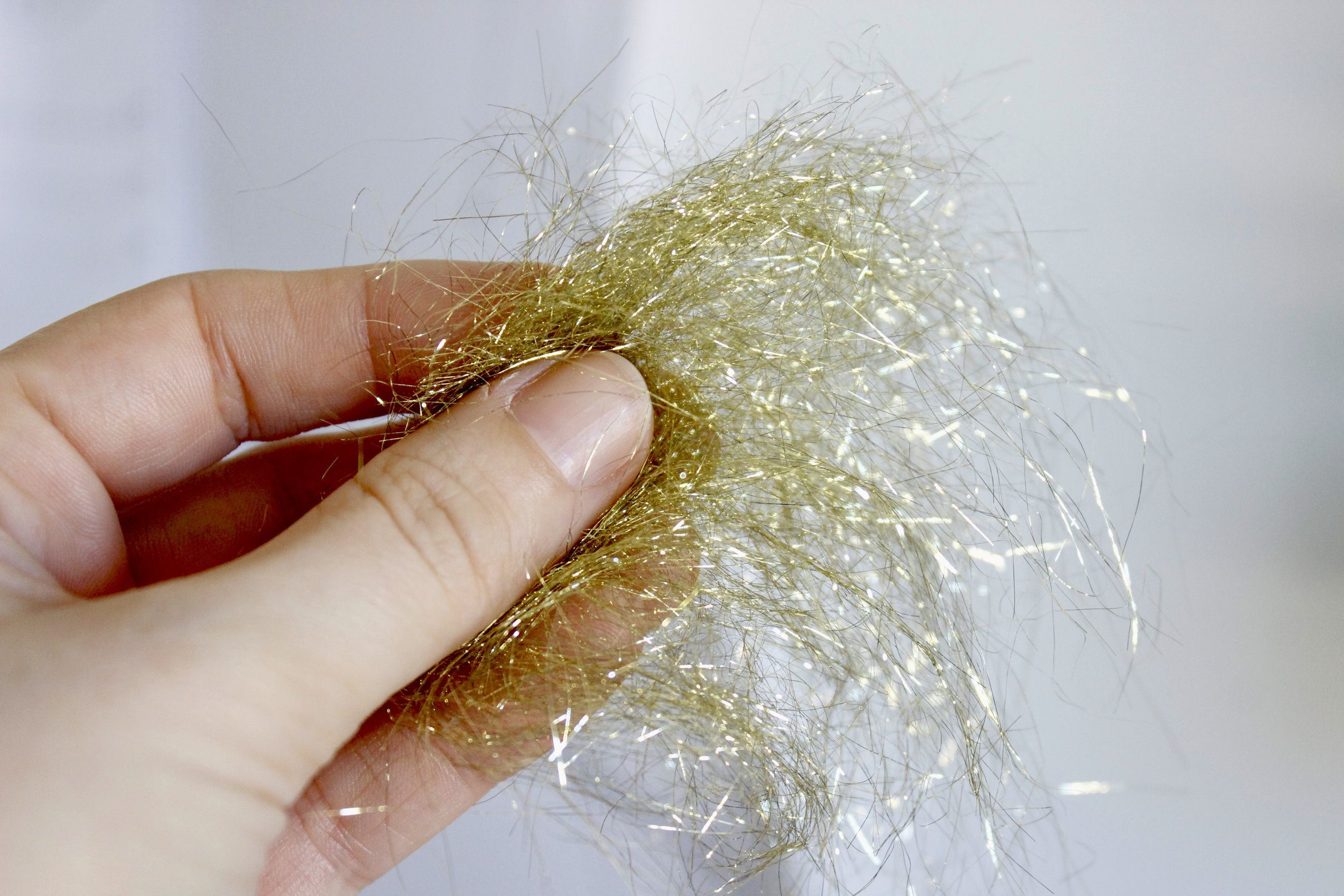
Angelina
Angelina is a synthetic fiber (polyester) with a very bright, metallic, or iridescent sheen. It is so brilliant and refractive that it is difficult to capture the richness of its nuances and brilliance in a photograph. Despite its metallic appearance, it is fine and soft to the touch.